Thinking about a move to Mississauga and not sure where to start? You want a community with good transit, reliable services, and neighbourhoods that fit your lifestyle and budget. This guide gives you a clear, practical overview of what life looks like in Mississauga so you can plan with confidence. You will learn where people live, how they commute, where to find schools and healthcare, and how to get settled faster. Let’s dive in.
Why Mississauga works for newcomers
Mississauga sits on Lake Ontario just west of Toronto and is part of the Greater Toronto Area. It blends urban convenience with suburban space, making it a popular landing spot for people who want access to jobs, transit, and everyday amenities. Many residents work in Toronto, while others work locally in finance, professional services, logistics tied to the airport, healthcare, education, and retail.
You will find one of Canada’s most diverse communities here. Different language groups and cultures are part of daily life, which makes it easier to find familiar shops, places of worship, and community programs. The city stretches from lakefront villages to established suburban areas and newer neighbourhoods farther inland, with major corridors like Hurontario Street, Dundas Street, and the QEW/401/403 shaping how people move around.
Neighbourhoods at a glance
Mississauga’s neighbourhoods are often described by area rather than strict boundaries. Think about lifestyle first, then match it to the area that fits you best.
City Centre and Hurontario
This is the high-rise heart of the city around Square One Shopping Centre. You will see condos, apartment buildings, restaurants, cultural venues, and strong bus connections. It suits newcomers who want walkability, shopping, and fast links across the city.
Port Credit and lakefront communities
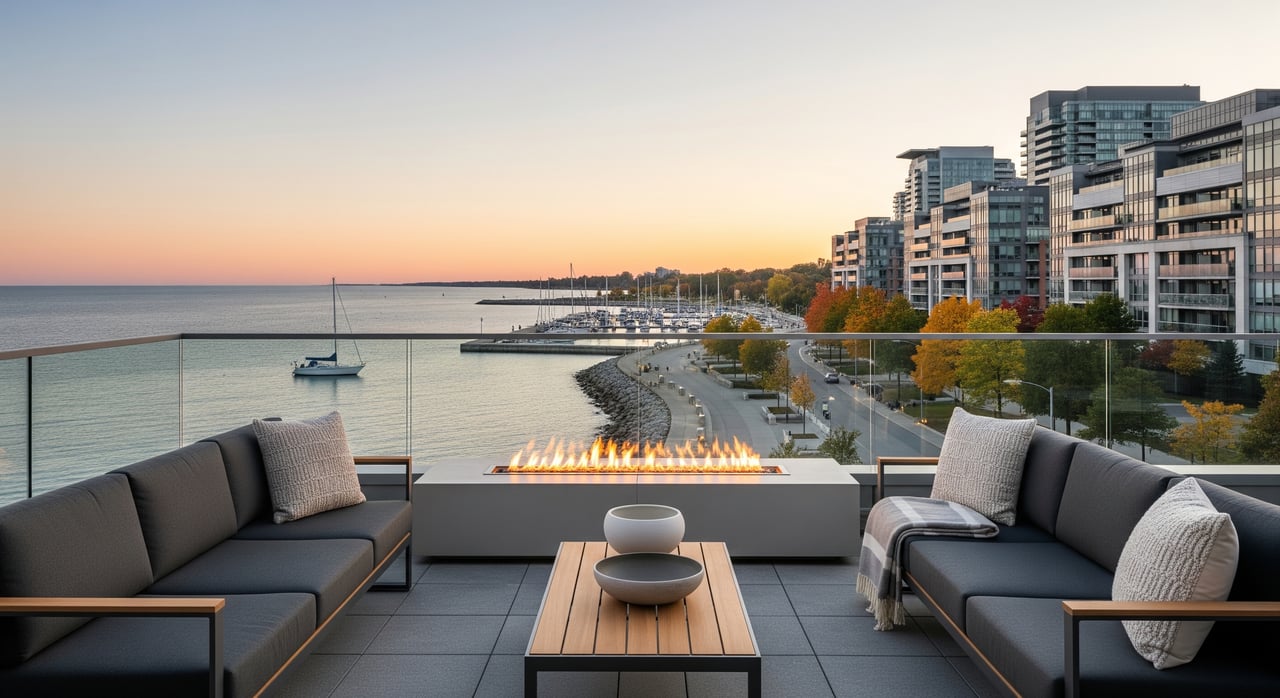
Along the waterfront, Port Credit offers a village feel with a marina, parks, and lakefront trails. Streets are more walkable near the core, with cafes and restaurants nearby. It is ideal if you value lakeside living and easy access to outdoor space.
Clarkson, Lorne Park, West Mississauga
These established areas feature detached homes, mature trees, and larger lots in certain pockets. The pace is quieter and residential. Buyers looking for single-family homes and a more traditional suburban feel often focus here.
Streetsville, Meadowvale, Erin Mills
You will find a mix of single-family homes, townhomes, and some apartments. These areas are practical for families and commuters, with community centres, parks, and access to highways and regional rail. They strike a balance between space and convenience.
Cooksville and central-east Mississauga
Closer to major corridors like Dundas Street, these areas mix apartments, older homes, and rental options. You get central access, useful bus routes, and proximity to many services, which works well if you want flexibility and an easier commute across the city.
Housing options and how to choose
Mississauga offers many home types. Understanding the trade-offs will help you narrow your search.
- Condos and apartments: Common in City Centre and along transit corridors. Expect good access to shopping and buses. Monthly condo fees cover shared services, so factor them into your budget.
- Townhomes and stacked townhomes: Found across the city and in newer developments. These often balance indoor space with lower maintenance.
- Semi-detached and detached homes: More common in established and upscale areas. You gain yard space and privacy with higher maintenance and carrying costs.
Many newcomers rent for 1 to 2 years before buying. Renting gives you time to learn commute patterns, school options, and neighbourhood rhythms. If you rent, confirm what utilities are included and review building rules. If you plan to buy, compare carrying costs, property taxes, insurance, and expected maintenance by home type.
Getting around the city
How you plan to commute should guide where you live. Mississauga offers local buses, regional rail, and fast highway access.
Public transit
MiWay is the city’s bus network and connects neighbourhoods to major hubs like City Centre and the transitway stations. GO Transit provides regional train and bus service, with multiple GO stations in Mississauga on the Lakeshore West and Milton lines. The Hurontario light rail project is planned to run along Hurontario Street from Port Credit toward Brampton; as of mid 2024 it was under construction. The Union Pearson Express runs between Pearson International Airport and downtown Toronto and can be useful if you travel often.
Driving and highways
For drivers, the QEW, 401, 403, and 407 ETR provide east-west and north-south connections. Commute times vary based on time of day and route. A drive to downtown Toronto can range from about 30 minutes to over an hour with traffic. Living near a GO station or along efficient bus routes can make transit competitive with driving.
Trails and cycling
If you value active transportation, look for neighbourhoods with trail access. The Waterfront Trail, Credit River paths, and natural areas like Rattray Marsh support walking and cycling. Dedicated bike lanes are growing but vary by area, so map your routes in advance.
Schools and learning
Public education in Mississauga is offered by the Peel District School Board and the Dufferin-Peel Catholic District School Board. French-language options are available through Conseil scolaire Viamonde and Conseil scolaire catholique MonAvenir. School boundaries and specialized programs depend on your address, so always verify your specific assignment with the school board before you decide on a home.
For post-secondary options, the University of Toronto Mississauga offers a full campus with undergraduate and graduate programs, while Sheridan College’s Mississauga campus provides programs in business and community services among others. Childcare is in high demand across the GTA, and waitlists can be common. You can explore licensed providers, subsidies, and community-based early years programs through municipal and provincial resources.
Healthcare and coverage
Trillium Health Partners operates the main hospitals that serve Mississauga, including Mississauga Hospital and Credit Valley Hospital. If you do not have a family doctor, registering with Ontario’s Health Care Connect can help you find one when spots become available. Newcomers who are eligible for the Ontario Health Insurance Plan should apply as soon as possible and confirm the waiting period based on their status.
Everyday life and amenities
You will find a strong mix of civic amenities and outdoor spaces.
- Celebration Square and the Living Arts Centre host cultural events and performances, with skating and seasonal activities at the square.
- Square One Shopping Centre anchors City Centre with shopping, services, and dining.
- The Art Gallery of Mississauga, libraries, and community centres offer family programs, settlement workshops, language classes, and recreation.
- Along the lake, Port Credit Marina, Jack Darling Park, and lakeshore trails make it easy to spend time outdoors.
Cultural and religious centres across the city reflect Mississauga’s diversity. You will find a wide range of grocery stores, restaurants, and places of worship in many neighbourhoods.
Practical steps for a smooth start
Use this checklist to get settled faster.
- Set your housing timeline: Decide whether to rent first or buy. Renting can help you learn commute routes, schools, and building or neighbourhood rules.
- Clarify commute priorities: Choose a location near a GO station, key bus routes, or highways based on your daily needs.
- Confirm school details: Check school board boundaries, available programs like French immersion or IB, and transportation options.
- Sort IDs and licensing: Review steps to convert your driver’s licence, register a vehicle, or apply for a health card if eligible.
- Secure healthcare: Apply for OHIP if you qualify, and use Health Care Connect to search for a family doctor.
- Map everyday services: Find your local library, community centre, and settlement programs to build your network.
- Explore employment supports: If your profession is regulated, plan for credential assessments and licensing in Ontario.
- Review safety resources: Look at local police community reports to understand safety trends by area.
How we help newcomers settle with confidence
If you are new to Mississauga, you deserve clear guidance and personal care through every step. Our broker-led approach helps you compare neighbourhoods, sort commute options, and align home types with your budget. Whether you plan to rent first or you are ready to buy, we provide concierge-level support, market expertise, and a stress-reducing process.
As a boutique practice with brokerage-level reach, we manage showings, contracts, and negotiations with your goals in mind. We also support investors and renters with leasing and property management guidance. If you are selling, you benefit from professional presentation and results-driven marketing across the western and central GTA. When you are ready, connect with us to map out your next steps with a tailored plan from Linda Fernandes Real Estate.
FAQs
Which Mississauga neighbourhoods work well for newcomers who want transit access?
- Areas around City Centre and the Hurontario corridor offer strong bus connections and access to regional rail via nearby GO stations.
What is a typical commute from Mississauga to downtown Toronto?
- Commutes vary by location and time; driving can range from about 30 minutes to over an hour, and GO train service can be competitive for those near stations.
Is renting first a good idea in Mississauga?
- Many newcomers rent for 1 to 2 years to learn neighbourhoods, schools, and commute patterns before committing to a purchase.
How do I find my child’s school in Mississauga?
- Contact the relevant school board to confirm your specific boundary and any specialized programs tied to your address.
Where do I go if I need a family doctor in Mississauga?
- Apply for OHIP if eligible and register with Health Care Connect to be matched when a physician is accepting new patients.
What outdoor and cultural amenities will I find in Mississauga?
- Celebration Square, the Living Arts Centre, the Art Gallery of Mississauga, Port Credit’s waterfront, and lakeshore trails offer a range of activities year-round.