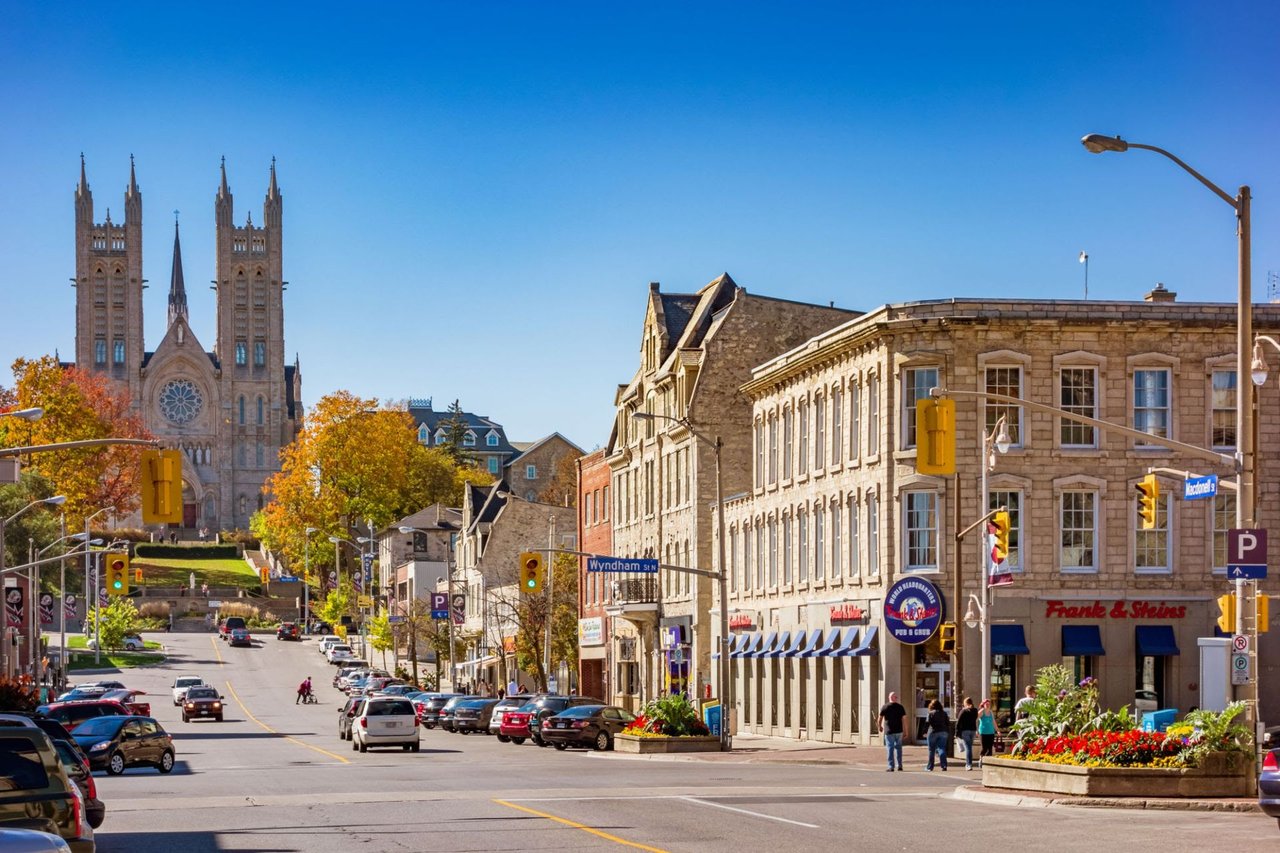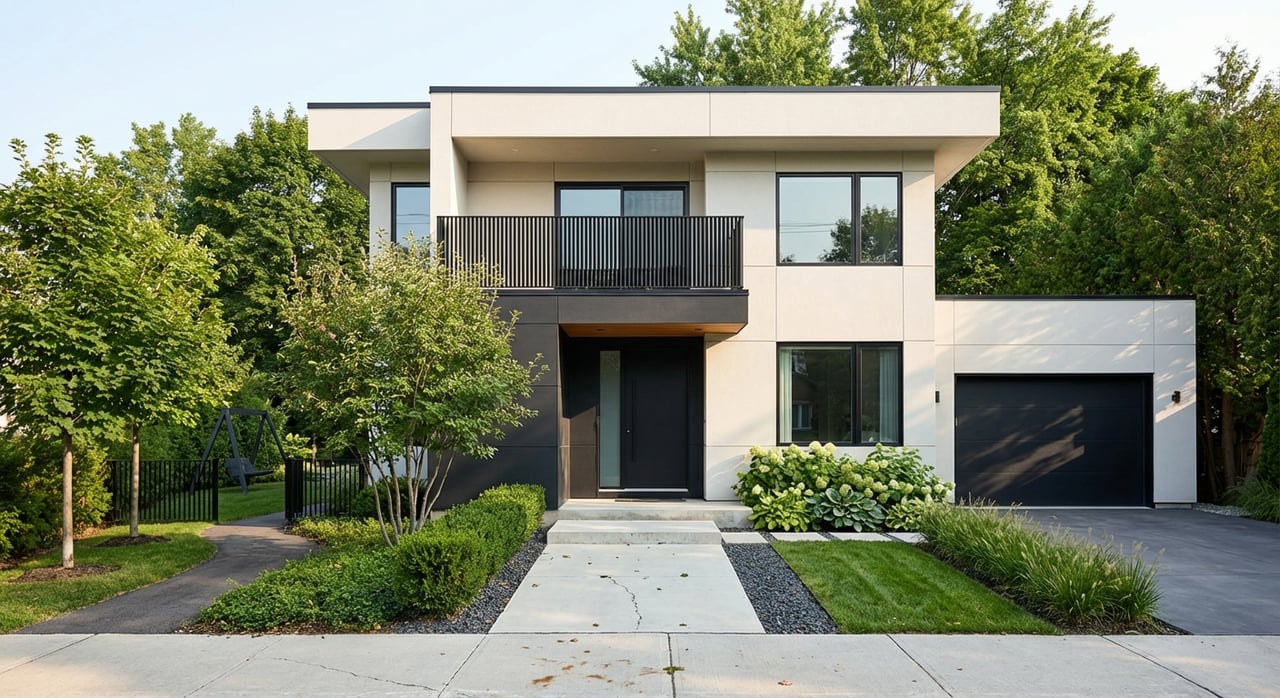
Searching for the right Oakville neighbourhood for your growing family can feel like a puzzle: you want good school options, green space, a manageable commute, and a home that fits today and tomorrow. You’re not alone. Many families weigh the same trade-offs as they compare communities across town. In this guide, you’ll get a clear, practical look at several family-friendly Oakville areas with facts on parks, schools, commute times, and housing styles. Let’s dive in.
Why families choose Oakville
Oakville blends small-town ease with big-town amenities. The town reports about 255 km of recreational trails and roughly 1,863 hectares of parkland, which means you can access paths, playgrounds, and valley trails across many neighbourhoods. You can review the town’s overview of community resources to see how well supported daily life is across Oakville’s districts. Explore the town’s snapshot at the About Oakville page on the Town of Oakville website.
If outdoor time matters to you, Oakville’s heritage trail network connects Sixteen Mile Creek, Joshua’s Creek, and lakefront paths, making walking and biking part of daily routines. You can preview routes and amenities through the town’s Heritage Trails guide.
For commuters, Lakeshore West GO service and access to QEW/403/407 offer multiple paths to work. Express GO trains can reach Union Station in roughly 30 to 35 minutes, and all-stops services are often in the 40 to 50 minute range. Check current service at the Oakville GO Station page for details.
On the housing side, Oakville generally sits in a higher price band compared with many GTA suburbs. Marketplace snapshots often show detached homes around the low two-million range, townhomes near the one-million mark, and condos in the mid six figures. Prices shift month to month, so build in a buffer and focus on value by neighbourhood.
How to choose the right neighbourhood
Schools and catchments
School boundaries can shape both your daily routine and resale outlook. The Halton District School Board reports strong results on standardized assessments, and families often consider secondary school pathways like Abbey Park, Iroquois Ridge, and Oakville Trafalgar when they plan a move. Review the board’s update on EQAO and independent rankings, and always confirm current catchment boundaries with the board before you buy since they can change.
Parks, trails, and recreation
If weekend soccer, skating, and splash pads are on your list, Oakville’s town-managed parks and recreation network makes it easy to stay active. Many neighbourhoods connect directly to valley trails and community parks. For a sense of programming and facilities, browse the town’s programs and fitness page.
Commute realities
If you work downtown, proximity to Oakville GO or Bronte GO can shorten your door-to-desk time. If you drive, quick access to QEW/403/407 matters just as much as distance. It helps to test both routes during peak hours. You can start with the Oakville GO Station page for parking and service info, then time a few real-world trips.
Housing style and budget
South and central pockets typically offer mature lots and established streetscapes, often with homes from the 1970s to 1990s that may need updates. North Oakville and Joshua Creek areas feature newer master-planned communities with a mix of townhomes and executive detached options. Decide upfront whether you prefer a larger yard and renovation potential or newer finishes and predictable community design.
Neighbourhoods to shortlist
Glen Abbey
Character and lifestyle: Glen Abbey is a mature, master-planned community known for treed streets, family parks, and its golf-course landmark. Daily life centers on nearby shopping nodes and the Glen Abbey Community Centre. Learn more about the golf course setting in this Ontario golf overview.
Schools and pathways: Much of Glen Abbey feeds Abbey Park High School within the Halton District School Board. Families often note the school’s academic reputation when choosing the area. You can visit Abbey Park’s site to explore programs and updates.
Homes and pricing: Expect predominantly detached family homes built between the 1970s and 1990s, with pockets of townhomes and low-rise condos. Detached properties generally sit in mid to upper Oakville price ranges, depending on lot size and updates.
Commute and amenities: Glen Abbey offers straightforward access to QEW/403 and is a 10 to 20 minute drive to Oakville GO depending on your exact location. Parks and playgrounds are well distributed, and community sports options are easy to find.
River Oaks
Character and lifestyle: River Oaks sits in north-central Oakville with sidewalks, playgrounds, and easy access to large parkland near Sixteen Mile Creek and Lions Valley. The area is known for family-friendly streets and practical access to shops and services.
Schools and pathways: Several elementary schools serve the community with secondary pathways that include White Oaks Secondary and other HDSB and Catholic schools, depending on your address. Confirm the current boundary for your target street before you offer.
Homes and pricing: You’ll find a balanced mix of detached homes, semis, and townhomes. Many families consider River Oaks as a way to access Oakville amenities at a relative value compared with some south-of-QEW areas.
Commute and amenities: River Oaks Community Centre supports skating, gym use, and youth sports. Uptown retail is nearby, and you can drive or bus to Oakville GO. See the town’s programs and fitness page for facility details.
Joshua Creek / North Oakville
Character and lifestyle: North Oakville’s newer master-planned communities, including Joshua Creek and Joshua Meadows, offer family-focused design with planned parks and trail connections. The town highlights ongoing development across these new communities.
Schools and pathways: Elementary options include Joshua Creek Public School, with secondary pathways that include Iroquois Ridge High School for much of the area. Visit Joshua Creek PS to explore local school information and confirm feeder patterns with the board.
Homes and pricing: Here you’ll see newer townhomes and stacked towns alongside larger executive detached homes. Newer construction and upgraded finishes often command a premium, especially on larger lots.
Parks and amenities: Neighborhood parks such as William Rose Park anchor daily play, and connected trail planning supports active transportation. Get a sense of planned growth through the town’s New Communities of Oakville page.
Bronte
Character and lifestyle: Bronte pairs a waterfront setting with a village feel, a walkable main strip, and the harbour. Families who value walkability and lakefront parks often shortlist this area.
Homes and pricing: Housing mixes smaller detached homes and townhomes in village pockets with premium lakefront properties along the shore.
Commute and amenities: Bronte GO serves the west side of town for train access, while waterfront parks and trails line the lakeshore. Preview nearby trail connections in the Heritage Trails guide.
Smart trade-offs for growing families
- If secondary school pathway is a key factor: Homes inside certain secondary school boundaries can reflect a premium. Validate the current HDSB map for the address you plan to buy.
- If you want a larger yard and mature trees: Look to Glen Abbey and select south/central pockets, understanding many homes may need cosmetic or structural updates.
- If you prefer newer builds and predictable planning: North Oakville and Joshua Creek deliver newer product and planned parks, with a typical new-build premium.
- If you need the fastest downtown transit: Prioritize proximity to Oakville GO or Bronte GO, and test door-to-desk times during your normal commute.
Plan your move with confidence
A focused plan will save you time and stress:
- Shortlist three areas that fit your top two priorities, then tour them during a weekday evening and a weekend morning.
- Confirm school boundaries and program options with the appropriate board before you offer. Start with the HDSB’s overview of assessment results, then use board lookup tools for boundaries.
- Test commute times in real conditions. The Oakville GO Station page lists station details and service info.
- Align your budget with housing style. Older homes may need updates; newer builds may command a premium but reduce near-term maintenance.
When you’re ready to refine your shortlist or want a custom search aligned to your timeline and budget, connect with a local advisor who knows the day-to-day trade-offs across Oakville’s neighbourhoods. If you want tailored guidance and a calm, concierge-level experience start to finish, reach out to Linda Fernandes Real Estate. Schedule Your Consultation and move forward with clarity.
FAQs
What should a family budget for in Oakville?
- Marketplace snapshots often show detached homes around the low two-million range, townhomes near the one-million mark, and condos in the mid six figures. Prices shift monthly, so verify current medians before you offer.
How long is the GO train commute to Toronto from Oakville?
- Express Lakeshore West trains can reach Union Station in about 30 to 35 minutes, while all-stops trips are often 40 to 50 minutes. Check the Oakville GO Station page for current schedules and parking.
Which Oakville areas have newer homes and planned parks?
- North Oakville and Joshua Creek feature newer master-planned communities with townhomes and executive detached options. The town’s New Communities of Oakville page outlines ongoing plans and amenities.
How can I confirm my child’s school for a specific Oakville address?
- Use the appropriate school board lookup to confirm current catchment boundaries and program options. As a starting point, the HDSB reports system-wide assessment results and offers school-specific pages such as Abbey Park and Joshua Creek PS.
Where can I find trails and playgrounds near potential homes?
- Oakville maintains an extensive trail system and park network. Begin with the town’s Heritage Trails guide for route ideas and the programs and fitness page for community centre amenities.